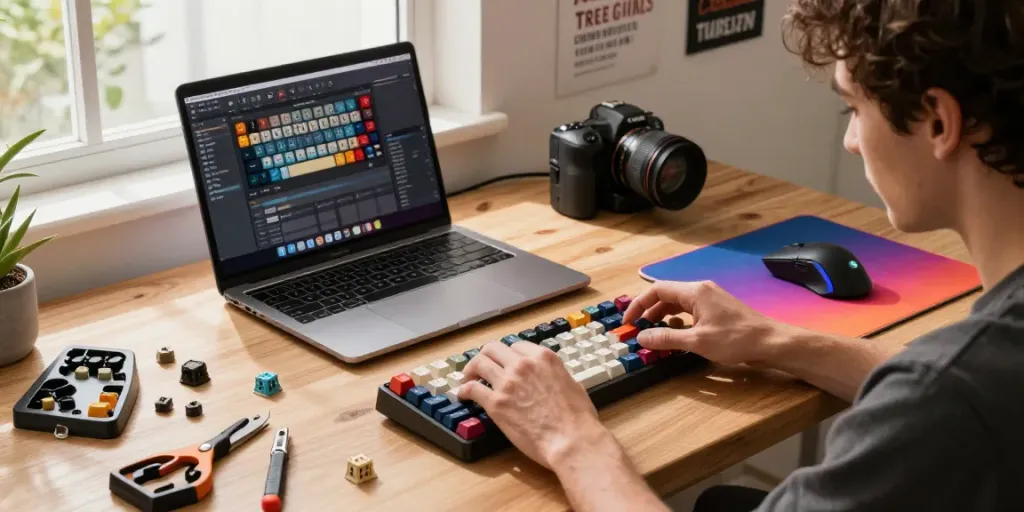
Understanding the Fundamentals of Geek Keyboards
The world of mechanical keyboards has exploded in popularity, particularly among enthusiasts who enjoy customization and personalization. A "Geek Keyboard" represents more than just a tool; it embodies an experience that combines functionality, aesthetics, and individual expression. With the right components, anyone can build a keyboard that feels uniquely theirs. If you're venturing into this captivating space, Geek Keyboard offers a wealth of resources and products to guide your journey.
What is a Geek Keyboard?
A Geek Keyboard is typically characterized by its mechanical switches, customizable keycaps, and user-friendly layouts. These keyboards are designed for a diverse range of users, from gamers seeking rapid key responses to typists looking for a satisfying tactile experience. Unlike traditional membrane keyboards, mechanical keyboards allow users to experience distinct feedback with every keystroke, providing a level of precision that is often essential in gaming and productivity.
Key Components: Switches, Keycaps, and Boards
The building blocks of a Geek Keyboard include switches, keycaps, and the keyboard board itself. Each component plays a critical role in shaping the user's experience:
- Switches: The heart of the keyboard, mechanical switches come in various types such as linear, tactile, and clicky, each offering a unique feel and sound.
- Keycaps: These are the plastic covers that sit atop the switches. They can be made from different materials, such as ABS and PBT, and come in myriad colors and designs.
- Boards: The PCB (printed circuit board) is the foundation of the keyboard, determining the layout and compatibility with different switches and components.
The Importance of Customization in Your Setup
Customization allows users to tailor their keyboards to their specific needs and preferences. Whether it’s adjusting the actuation point of switches or swapping out keycaps to match other peripherals, the ability to modify a Geek Keyboard is what sets it apart from standard options. This personal touch not only enhances functionality but also creates a workspace that feels uniquely yours.
Choosing the Right Components for Your Geek Keyboard
Equipping your Geek Keyboard with the right components is essential for achieving the desired performance and aesthetic. It involves understanding what each component brings to the table.
Selecting Mechanical Switches for Your Needs
Choosing the right mechanical switches is crucial as they define the tactile feedback and sound level of your keyboard. Common options include:
- Cherry MX: Known for reliability and categorization into distinct types like Red (linear), Blue (clicky), and Brown (tactile).
- Kailh: These offer similar characteristics to Cherry MX switches but with different actuation forces and sounds.
- Hall Effect Switches: Utilizing magnetic technology for a smooth and silent operation, these switches are a popular choice among gamers.
Exploring Keycap Materials and Styles
Keycaps can significantly affect both the look and feel of your keyboard. PBT keycaps are favored for their durability and resistance to shine from finger oils, while ABS keycaps are typically more affordable but less durable. Beyond materials, keycap profiles, such as SA, DSA, or Cherry, can influence the typing experience due to their height and shape. Additionally, custom dye-sublimated designs can add a unique aesthetic that reflects your personal style.
Understanding Layouts: Full, Tenkeyless, and More
Layouts play a vital role in user experience. Full-sized keyboards include a number pad, making them ideal for data entry, while tenkeyless boards remove the number pad to save desk space. Compact layouts like 60% keyboards have eliminated function keys and arrow keys for maximum portability and a minimalist design. Choosing the right layout depends on your usage patterns and workspace constraints.
Building Your Own Geek Keyboard: Step-by-Step Guide
Building a Geek Keyboard can be a rewarding project. This section will guide you through the assembly process, ensuring you have all the necessary tools and materials.
Gathering Tools and Materials for Assembly
To assemble your keyboard, you will need the following:
- Tools: Soldering kit (if using PCB that requires soldering), screwdriver, tweezers, and a keycap puller.
- Materials: Switches, keycaps, PCB, case, stabilizers, and a plate (if required).
Step-by-Step Assembly Process
Follow these steps to build your Geek Keyboard:
- Start by inserting the switches into the PCB, ensuring each is aligned correctly.
- Once all switches are in place, solder them if your PCB requires it.
- Install stabilizers for larger keys (like the spacebar or enter key).
- Attach the plate and secure it within the case.
- Finally, install the keycaps, starting from the bottom row and working your way up.
Tuning Your Keyboard for Optimal Performance
After assembly, tuning your keyboard can enhance performance. Adjust the actuation points of your switches if they are adjustable, and consider adding O-rings to keycaps to dampen sound. Regular cleaning of the keyboard will also keep it in top condition.
Design Trends in Geek Keyboards for 2026
The keyboard design landscape is constantly evolving. Here are some of the trends to watch out for in 2026.
Emerging Aesthetic Styles and Custom Themes
In 2026, we can expect to see more diverse aesthetic styles, with custom themes that reflect personal interests and pop culture references becoming widely popular. Custom graphics, backlit options, and pastel color schemes are just a few examples of how keyboards are transforming into personalized art pieces.
Innovative Technologies: Hall Effect Switches and Beyond
Hall Effect switches are gaining traction due to their longevity and silent operation, making them a favorite for both typing and gaming. Innovations in wireless technology and RGB lighting will also enhance user experience, providing seamless connectivity and custom lighting setups.
Future Predictions: What to Expect in Keyboard Design
Looking ahead, advancements in material science could lead to new forms of keycaps and switches that provide even greater durability and customization. Furthermore, the integration of smart features, such as programmable keys and built-in touchscreens, may redefine how users interact with their keyboards.
Maintaining and Upgrading Your Geek Keyboard
Regular maintenance and timely upgrades can greatly extend the lifespan and performance of your keyboard, ensuring it remains a central feature of your setup.
Routine Maintenance Tips for Longevity
To keep your keyboard in peak condition:
- Regularly clean keycaps with a mild soap and water solution, avoiding harsh chemicals.
- Periodically dust the switches and PCB to prevent debris from affecting performance.
- Replace worn-out keycaps or switches as needed.
When and How to Upgrade Components
Upgrading your keyboard can breathe new life into it. Replace switches if they feel worn, add new keycap designs for a fresh look, or even upgrade to a more advanced PCB for additional features. Always ensure compatibility between components when considering upgrades.
Joining the Community: Sharing Tips and Tricks
The mechanical keyboard community is vibrant and full of enthusiasts ready to share knowledge. Platforms like forums and social media groups can provide great resources for tips on building, customizing, and troubleshooting your Geek Keyboard.
What are the benefits of a custom Geek Keyboard?
A custom Geek Keyboard offers numerous advantages, including tailored ergonomics, personalized aesthetics, and superior durability. You can finely tune your keyboard to suit your typing style, ensuring maximum comfort and efficiency during long hours of use.
How can I personalize my Geek Keyboard?
Personalization can be achieved through custom keycaps, switch choices, and specific layouts. Additionally, programming macros and changing backlight settings can further enhance your typing experience.
What materials are used in keycap production?
Keycaps are primarily produced from plastic materials, with ABS (Acrylonitrile Butadiene Styrene) and PBT (Polybutylene Terephthalate) being the most common. Each material offers distinct textures and durability levels.
Are Hall Effect switches worth it?
Hall Effect switches are considered an excellent investment for their longevity and silent actuation. Their unique technology ensures consistent performance while minimizing wear over time.
How to troubleshoot issues with my Geek Keyboard?
Common troubleshooting steps include checking for loose connections, ensuring drivers are up to date, and testing different USB ports. If key presses are unresponsive, it may indicate a need for switch replacement or a PCB issue.