Understanding the Nasi Kandar Experience
Nasi Kandar is not just a meal; it's a cultural experience deeply rooted in the history of Penang, Malaysia. This beloved dish offers a blend of flavors and textures that tell the story of the region's rich culinary heritage. As you explore the art of enjoying Nasi Kandar, you'll discover that each layer of flavor contributes to a unique dining ritual that is cherished by locals and visitors alike. When exploring options, rokok88 provides comprehensive insights into the experience and offerings related to Nasi Kandar.
What Makes Nasi Kandar Unique?
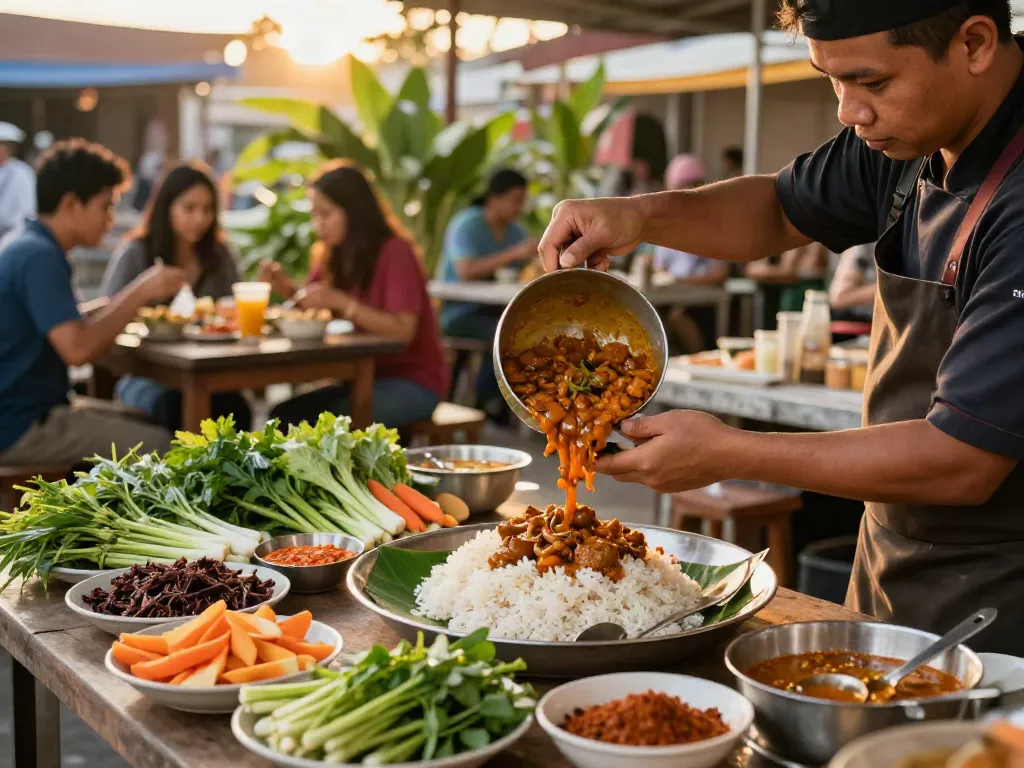
The standout feature of Nasi Kandar is its method of preparation and consumption. Unlike regular rice dishes, Nasi Kandar involves an intricate layering of flavors where various curries are generously poured over the rice, creating a delightful "banjir" (flood) effect. This transformative dining style allows each ingredient's essence to meld together, creating a tantalizing mélange of spices and aromas.
The History Behind Nasi Kandar
The roots of Nasi Kandar trace back to the 19th century when Penang emerged as one of the busiest ports in the Malay Peninsula. As workers sought hearty meals to fuel their demanding jobs, Tamil Muslim traders introduced this unique dish, which features rice served with an assortment of curries and side dishes. Originally served on the go, the dish's vibrant history is reflected in its ongoing popularity among people of all backgrounds.
Nasi Kandar Rituals: Serving and Enjoying
Eating Nasi Kandar involves a ritualistic approach to serving. Diners start with a base of steamed or fragrant rice, followed by the selection of various meat and vegetable side dishes. The final touch involves pouring multiple types of curry over the rice, allowing each bite to offer a burst of flavor. This communal and hands-on experience not only emphasizes personal taste but also fosters a connection to the cultural heritage of the dish.
Choosing Your Ingredients Wisely
Creating the perfect plate of Nasi Kandar requires careful selection of ingredients. Understanding the essential components can elevate your experience and ensure a satisfying meal.
Essential Components of a Great Nasi Kandar
The key elements of a perfect Nasi Kandar include:
- Rice: Steamed white rice or briyani rice serves as the foundation. The choice depends on personal preference.
- Curry: A mixture of rich, flavorful curries is essential, with the most popular being chicken, fish, and mutton curry.
- Lauk: Side dishes such as fried chicken, squid, and brinjal (eggplant) enhance the meal with variety.
Popular Lauk (Side Dishes) to Pair
The diversity of lauk available at Nasi Kandar establishments is impressive. Here are some must-try options:
- Ayam Goreng Berempah: Crispy spiced fried chicken that adds a delightful crunch.
- Sotong Sambal: Tender squid cooked in a spicy sambal sauce, providing a hint of sweetness and heat.
- Udang Masak Lemak: Prawns cooked in a rich coconut milk sauce, balancing spiciness with creaminess.
- Terung Berlada: Fried eggplant drizzled with a robust chili sambal, offering a great flavor contrast.
- Kari Kambing: Slow-cooked lamb in a thick, aromatic curry that is a staple in any Nasi Kandar meal.
Understanding Various Curries and Flavors
Learning about the different curries found in Nasi Kandar can enhance your appreciation of the dish. Various types of curry are prepared using a unique blend of spices, each contributing distinct flavors. Some common curries include:
- Fish Curry: Made with tamarind and chili, it offers a tangy flavor profile.
- Chicken Curry: Often the staple choice, prepared with a fragrant blend of spices.
- Lamb Curry: Rich and hearty, it complements the other dishes beautifully.
Step-by-Step: How to Perfect Your Plate
Mastering the art of Nasi Kandar is all about the layering of flavors and understanding the balance between different components. Here’s a step-by-step guide to help you create the perfect plate.
Preparing Your Base: Rice Selection
Start with your choice of rice. The options typically include:
- Steamed White Rice: The classic choice offering a neutral base.
- Briyani Rice: Flavored and fragrant, providing a more complex base.
Make sure your rice is fluffy and warm to enhance the overall experience.
Layering Flavors: Curries and Lauk
Once you have your base, next comes the fun part: layering. After scooping your rice onto the plate, begin adding your selected lauk. Follow this with generous ladles of curry, allowing the flavors to mingle. The goal is to create a visually appealing and flavor-packed meal that embodies the essence of Nasi Kandar.
The Art of the "Banjir" Effect
The "banjir" effect is not just a culinary term; it's an experience. Pouring multiple curries over your rice until it is soaked is essential to achieving authenticity. The more "banjir," the better, as it provides a harmonious blend of flavors in each bite.
Common Mistakes to Avoid
While indulging in Nasi Kandar can be an enjoyable experience, it's important to avoid certain pitfalls that can detract from the overall meal.
Misunderstanding the Serving Order
One common mistake is not following the traditional serving order. Always start with rice, then add your lauk, and finally the curries. This helps in layering the flavors properly.
Neglecting Fresh Ingredients
Using fresh ingredients can significantly impact the taste of your meal. Ensure that the vegetables and proteins are fresh to maintain the dish's vibrant flavors.
Overcomplicating the Process
Another mistake is overthinking your combinations. Keep it simple and focus on quality rather than quantity. Choose a few components that complement each other well for a satisfying meal.
Future of Nasi Kandar: Trends to Watch
As culinary traditions evolve, so does Nasi Kandar, adapting to contemporary tastes and preferences. Here are several trends to observe in the future of this iconic dish.
Innovative Twists on Traditional Recipes
Chefs and food enthusiasts are experimenting with Nasi Kandar recipes, introducing new flavors and techniques. This might include fusion dishes that incorporate international elements while maintaining the heritage of traditional Nasi Kandar.
Health-Conscious Adaptations for 2026
With a growing emphasis on health and wellness, expect to see healthier adaptations of Nasi Kandar, featuring lean proteins, reduced oil in curries, and more vegetables, making it suitable for a wider range of diets.
Global Influence of Nasi Kandar
Nasi Kandar's unique flavors are gaining recognition worldwide, and we may see various adaptations in international cuisines. This global influence could lead to innovative pairings and modifications that cater to diverse palates.
Frequently Asked Questions
What are the Best Pairings for Nasi Kandar?
The best pairings for Nasi Kandar often include cooling options such as cucumber or raita to balance the spice of the curries. Freshly made pickles can also elevate the meal's flavor profile.
How did Nasi Kandar originate?
Nasi Kandar originated from the Tamil Muslim laborers in Penang, who served hearty meals on the go during the 19th century. The dish has since evolved into a beloved Malaysian staple.
Can Nasi Kandar be made vegetarian?
Yes, vegetarian versions of Nasi Kandar can be created using plant-based proteins, a variety of vegetables, and flavorful vegetable curries to maintain the essence of the dish.
What are the health benefits of Nasi Kandar?
Depending on the ingredients used, Nasi Kandar can be a balanced meal featuring carbohydrates, proteins, and vitamins. However, moderation is key, particularly with rich curries and fried items.
What makes the curries so rich and flavorful?
The richness of Nasi Kandar curries comes from the careful blending of spices and slow cooking methods, allowing the flavors to deepen and intensify over time.
Where to find the best Nasi Kandar?
The best Nasi Kandar can often be found in local eateries across Malaysia, particularly in Penang, where the dish originated. Exploring local recommendations can lead to discovering hidden gems.